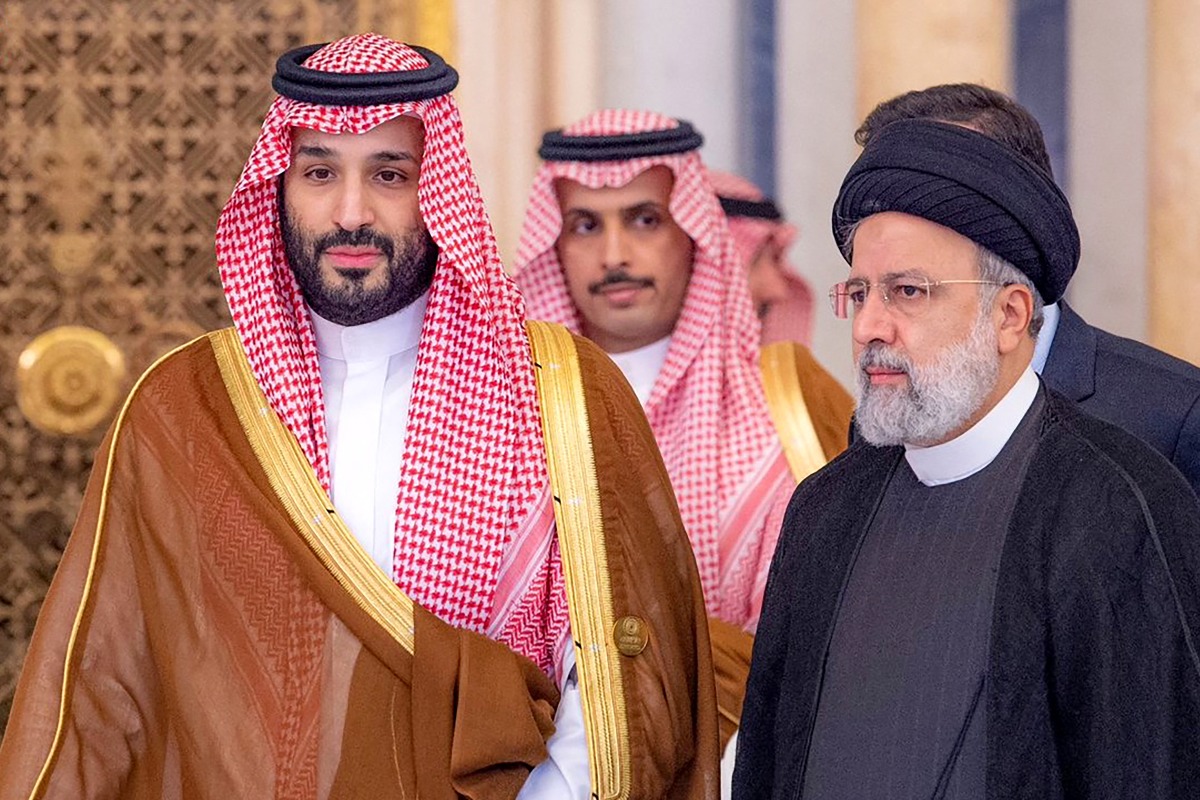
For the first time since regional hostilities escalated with Iran, Gulf leaders have convened in Saudi Arabia—marking a pivotal moment in Middle Eastern geopolitics. The meeting, held behind closed doors in Riyadh, brought together monarchs and senior officials from across the Gulf Cooperation Council (GCC), underscoring an urgent need for unified strategy amid growing Iranian influence, proxy conflicts, and threats to regional energy security.
This summit wasn’t just symbolic. It was a strategic recalibration in response to a shifting balance of power, where Gulf states are reevaluating alliances, defense postures, and diplomatic outreach to confront both overt and asymmetric threats originating from Iran.
A Summit Born of Necessity
The gathering comes on the heels of multiple incidents that have rattled Gulf stability: drone attacks on oil infrastructure in Abu Dhabi, Houthi missile launches from Yemen reaching deep into Saudi territory, and Iranian naval provocations near critical shipping lanes in the Strait of Hormuz. Each event has reinforced a shared sense of vulnerability among Gulf rulers.
What made this meeting different from past GCC summits was the absence of ceremonial fanfare and the presence of real-time intelligence briefings. Sources close to the discussions confirmed that military and intelligence chiefs were embedded in the sessions, presenting assessments on Iranian capabilities and regional flashpoints.
“This wasn’t about optics. It was about contingency planning,” said a regional analyst with ties to Kuwaiti diplomatic circles. “They’re no longer asking if escalation could happen—they’re preparing for when.”
Saudi Arabia’s Role as Convener and Stabilizer
Saudi Arabia, long seen as the de facto leader of the GCC, leveraged this summit to reassert its centrality in Gulf security architecture. Crown Prince Mohammed bin Salman personally chaired key sessions, signaling his direct engagement in strategic decision-making.
The kingdom’s motivation is multifaceted: - To consolidate Gulf defense coordination amid U.S. strategic retrenchment - To counter Iranian expansion in Iraq, Syria, and Yemen - To protect critical oil and gas infrastructure - To strengthen regional legitimacy ahead of broader economic reforms
By hosting the summit, Saudi Arabia positioned itself not just as a host, but as a coordinator of collective Gulf security—a role that has at times been contested by the UAE and Qatar in recent years.
The Iran Factor: More Than Just Rhetoric
While no formal declaration naming Iran as an adversary was issued, the subtext was unmistakable. Discussions focused heavily on Iranian-backed militias, cyber threats, and destabilizing activities in Bahrain, Kuwait, and Oman.

A key point of debate was how to respond to Iran’s growing drone and missile capabilities. One proposal under discussion involved pooling Gulf resources to establish a joint early-warning radar network across the Arabian Peninsula—an initiative long discussed but never implemented due to inter-state rivalries and funding disputes.
“The technological gap is closing,” said a defense advisor from Bahrain who attended the summit. “Iran isn’t just copying tactics anymore—they’re innovating. We need faster decision-making and shared intelligence to keep up.”
Economic Security as National Security
Energy infrastructure emerged as a central pillar of the talks. With Saudi Aramco and the UAE’s ADNOC managing over 25% of global oil exports, any disruption could have cascading effects worldwide.
Delegates reviewed security protocols at major facilities like Ras Tanura, Jubail, and Ruwais. But beyond physical protection, the summit explored economic countermeasures—such as coordinated oil supply adjustments and strategic reserve releases—to deter or respond to Iranian coercion.
One notable outcome was the agreement to fast-track plans for a unified Gulf energy trading platform, which would allow for real-time coordination during supply shocks. While still in early stages, the platform could evolve into a powerful tool for economic resilience.
Behind the Diplomacy: Cracks and Cohesion
Despite the unified front, tensions simmer beneath the surface. The UAE, while reaffirming its GCC commitment, has pursued an independent foreign policy in recent years—engaging in backchannel talks with Iran and even maintaining low-level trade ties. Qatar, still navigating post-blockade dynamics, pushed for greater emphasis on dialogue over confrontation.
Still, the summit achieved something rare: consensus on threat assessment. Even nations favoring diplomacy acknowledged that Iran’s actions have crossed red lines—particularly its support for Houthi attacks targeting civilian areas.
Yet challenges remain. As one Emirati official noted: > “We agree on the problem. We don’t yet fully agree on the solution.”
Defense Integration: From Talk to Action
One of the most substantive outcomes was the reactivation of the Peninsula Shield Force—a joint GCC military unit that has been largely inactive since 2017. The force will undergo restructuring, with plans to deploy rapid-response units within 72 hours of a regional crisis.
Additionally, the summit approved a new intelligence-sharing protocol allowing member states to bypass diplomatic channels and transmit real-time data during emergencies. This marks a significant shift from traditional, slow-moving Gulf coordination models.
A working group was established to evaluate: - Joint air and missile defense systems - Cybersecurity collaboration - Cross-border counterterrorism operations
While implementation will take time, the momentum suggests a move toward a more integrated Gulf defense posture.
The U.S. Shadow: Allies in Retreat?
The absence of high-level U.S. representation at the summit spoke volumes. While American officials were briefed afterward, their non-participation highlighted a growing Gulf concern: Washington’s willingness to defend regional interests is no longer guaranteed.
The Biden administration’s focus on great-power competition with China, coupled with its desire to revive the JCPOA (Iran nuclear deal), has fueled skepticism among Gulf leaders. Several expressed frustration over delayed arms deliveries and inconsistent messaging on Iran.
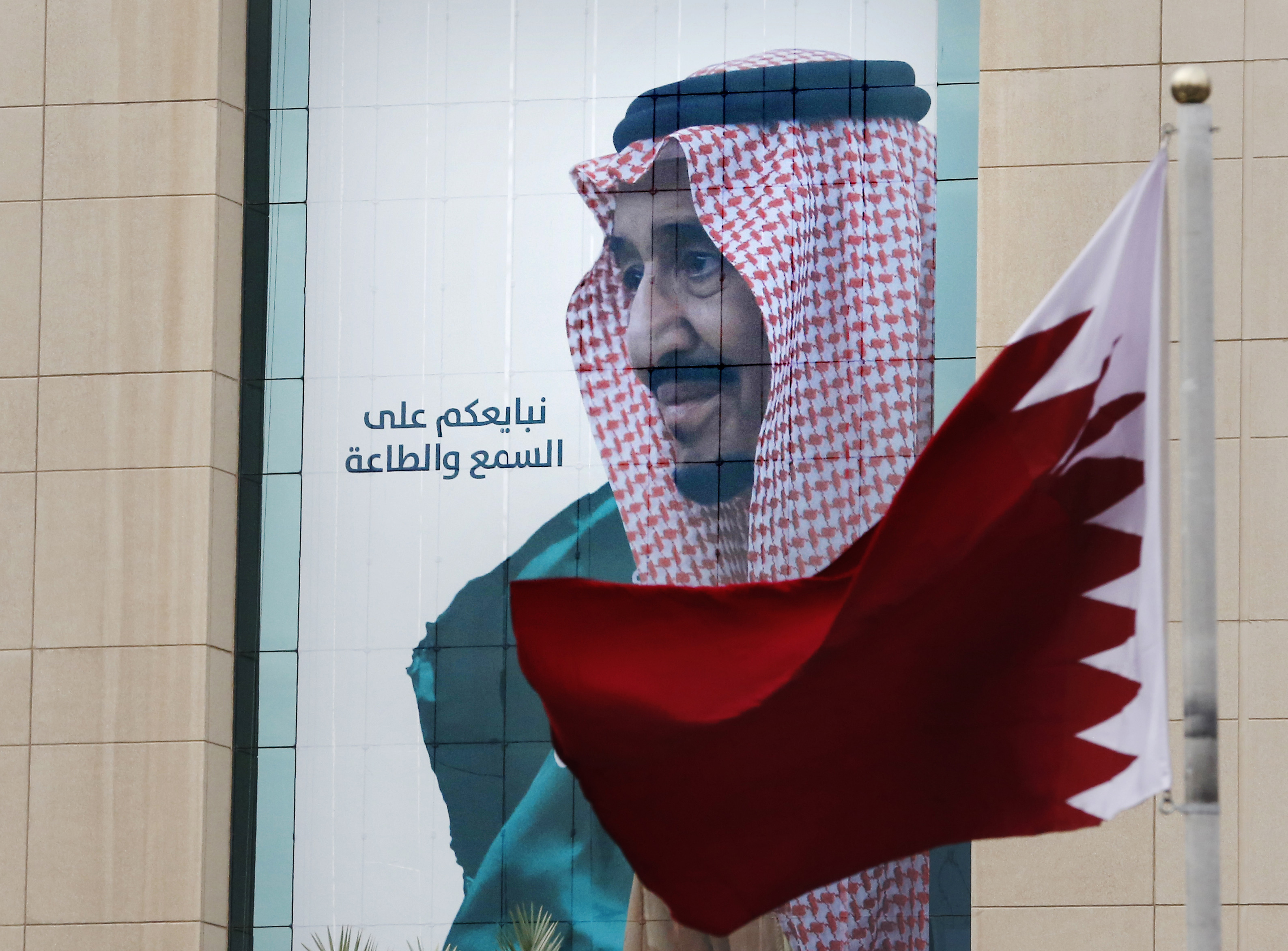
“This isn’t about replacing the U.S.,” said a senior Saudi diplomat. “It’s about not relying on them exclusively. We need to be able to defend ourselves, with or without a green light from Washington.”
The summit’s emphasis on self-reliance reflects a broader realization: Gulf states can no longer outsource their security.
What Comes Next?
The immediate follow-up includes: - A joint naval exercise in the Persian Gulf scheduled for next quarter - A second summit in Kuwait to finalize defense integration plans - A new GCC liaison office in Muscat to monitor Iranian maritime activity
Longer term, the summit may mark the beginning of a more assertive Gulf foreign policy—one that blends deterrence, diplomacy, and economic leverage to counter Iranian influence.
But success will depend on more than declarations. It will require sustained trust, funding, and political will—qualities that have often been in short supply among GCC members.
The Bottom Line
The gathering of Gulf leaders in Saudi Arabia was more than a diplomatic formality. It was a response to a changed regional reality—one where Iran’s reach has grown, U.S. commitments have wavered, and Gulf survival depends on unity.
The path ahead is fraught with challenges, but the summit laid the groundwork for a more cohesive, proactive Gulf posture. Whether this momentum holds will determine not just the security of the Arabian Peninsula, but the stability of global energy markets and international trade routes.
For now, the message is clear: The Gulf is no longer waiting for others to secure its future.
FAQ
Why did Gulf leaders meet in Saudi Arabia now? The meeting was triggered by increased Iranian regional activity, including attacks on Gulf infrastructure and growing proxy influence in neighboring countries, demanding urgent coordination.
Was Iran directly mentioned in the summit discussions? While no official statement named Iran, multiple delegates confirmed that Iranian actions were the central focus of security and intelligence briefings.
What role did the UAE play in the summit? The UAE participated fully but emphasized diplomatic solutions, reflecting its recent outreach to Iran while reaffirming Gulf security commitments.
Will this lead to military action against Iran? No immediate military action was announced. The focus remains on deterrence, defense integration, and crisis preparedness rather than offensive operations.
How does this affect global oil prices? A unified Gulf security front reduces the risk of supply disruptions, which could stabilize oil markets—especially if joint energy protection measures are implemented.
Were any new alliances formed? No new formal alliances, but the reactivation of the Peninsula Shield Force and intelligence-sharing pact represent deeper military integration among GCC states.
What’s next after the summit? A follow-up summit in Kuwait, joint naval exercises, and the establishment of a GCC monitoring office in Oman to track regional threats.
FAQ
What should you look for in Gulf Leaders Meet in Saudi Arabia Amid Tensions with Iran? Focus on relevance, practical value, and how well the solution matches real user intent.
Is Gulf Leaders Meet in Saudi Arabia Amid Tensions with Iran suitable for beginners? That depends on the workflow, but a clear step-by-step approach usually makes it easier to start.
How do you compare options around Gulf Leaders Meet in Saudi Arabia Amid Tensions with Iran? Compare features, trust signals, limitations, pricing, and ease of implementation.
What mistakes should you avoid? Avoid generic choices, weak validation, and decisions based only on marketing claims.
What is the next best step? Shortlist the most relevant options, validate them quickly, and refine from real-world results.